
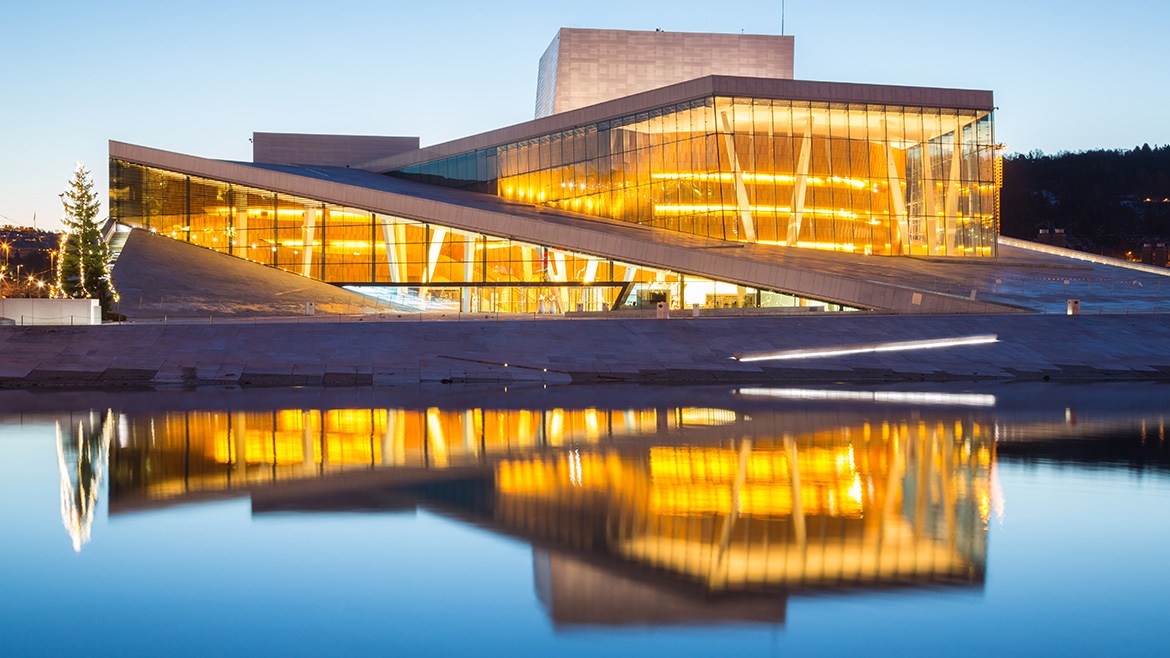
Limoges, France
BuildWall has worked on this site continuously since 2006 and enjoys a long-standing relationship with Shell Canada. In June 2010,...
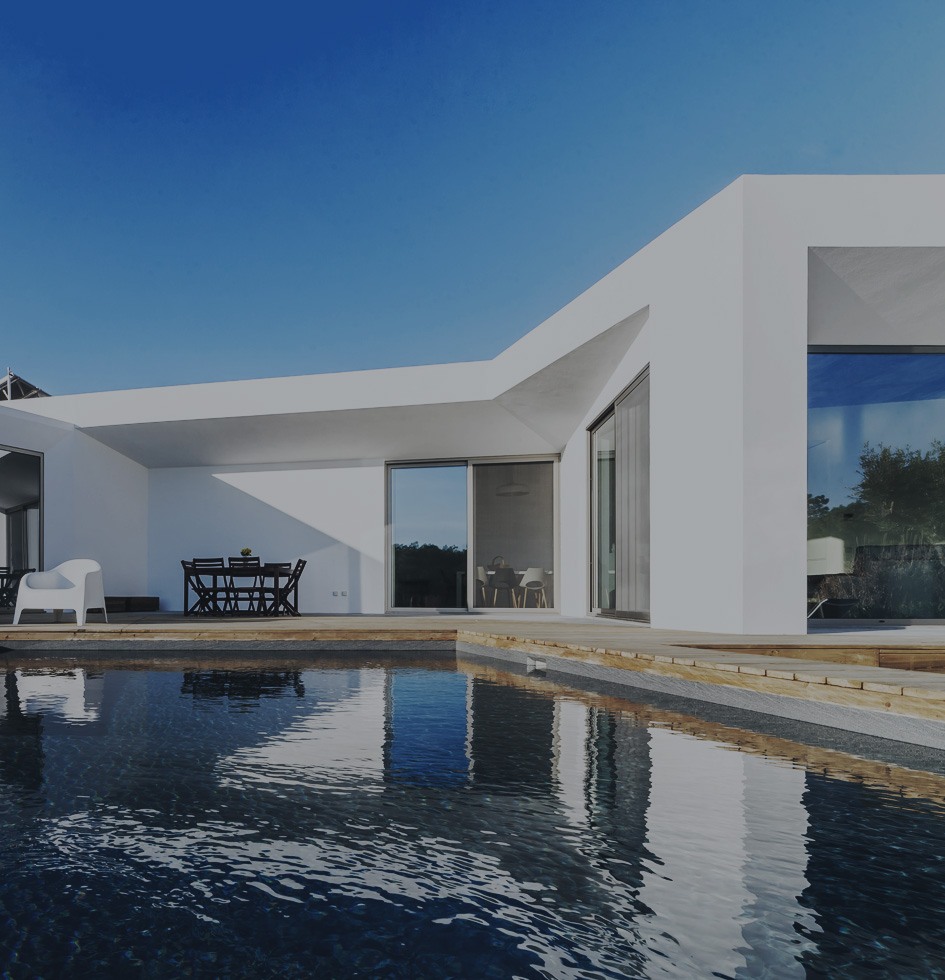
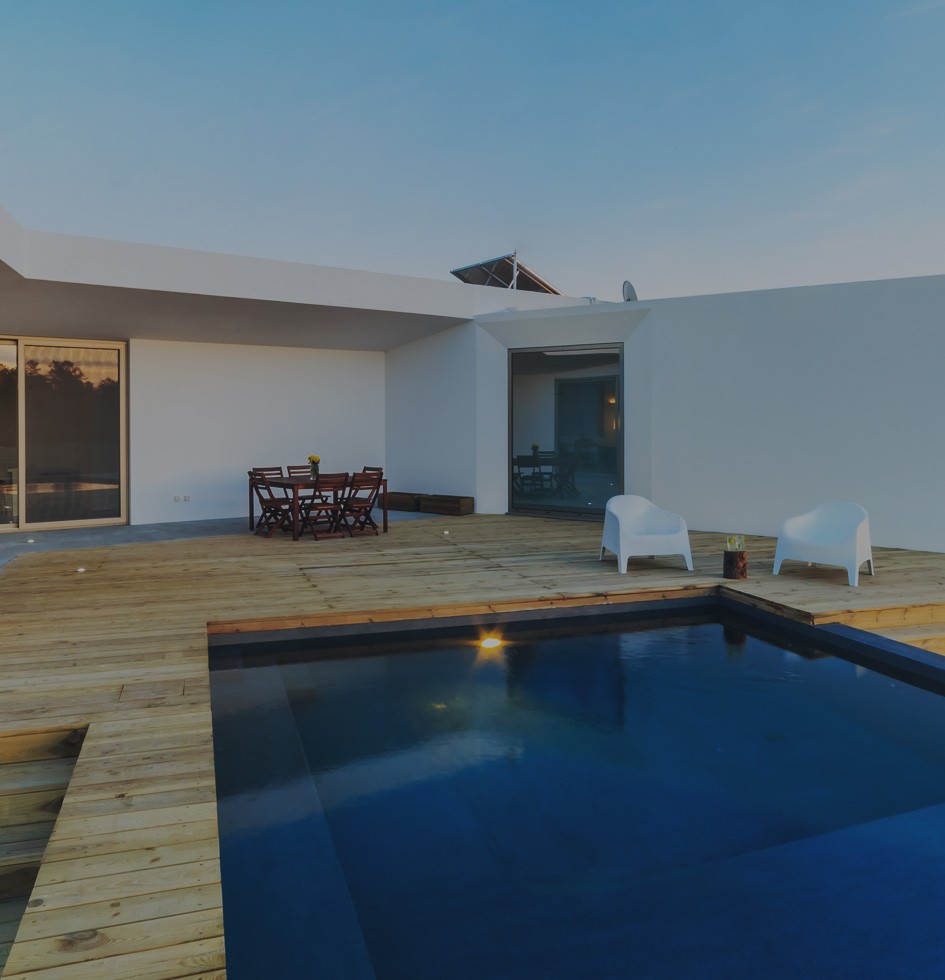
A smart home system is a smart automation system that connects different devices and systems in the property for the user's comfort and efficiency. Smart homes are designed to make life easier, more comfortable and safer.
We help you to achieve the perfect thermal comfort and optimal air quality.
We create the lighting images that best suit the activities you're doing, which can then be brought to life at the touch of a button or automatically.
We make the most of shading devices that will do much more: following the path of the sun, they can either let in light and block out warming rays in summer, or let in light but reduce heat loss in winter. And we can even cater for the needs of houseplants.
The combination of different security tools and the introduction of appropriate automatisms allows us to increase our objective and subjective sense of security to a level never experienced before.
We make it easier to use the devices: we help you monitor their operating parameters, consumption, maintenance needs and, where technically feasible, make them remote-controllable.
Convenient devices that can easily adapt their schedule or the area they cover to your property usage patterns.
Charge control allows you to charge at the optimal moment, while if the vehicle is also used as a grid storage, you can take its capacity into account when operating consumers.
These systems are typically not yet coordinated. They each have their own controls, but they don't know, for example, whether someone is in the building, and if so, whether it's one person or five. Once the systems are integrated, they will not be able to interpret this, the building automation system will override and control their operation, because all the relevant parameters converge there, so that control decisions are made there.
Shading devices have much more potential than you might first think. It makes sense to include them in the building automation system/smart home system to relieve them of routine tasks and to promote more energy-efficient operation of the building automation system through their controlled use. We can move all motorised equipment in an optimal way, taking into account the current external conditions (time of day, position of the sun, weather, etc.) and internal needs (light and heat requirements of the occupants, obstruction of view, etc.).
There are many electricity consumers whose consumption is significant even when they are not in operation. In addition, when these consumptions are added together, they can result in significant cost overruns without any positive returns. It therefore makes sense to keep only those devices under voltage that are in use or that need to be kept in continuous operation.
Different activities have different lighting needs. Functional and decorative lighting luminaires, provided with the right light sources and then combined in the right way, are a great way to achieve the desired ambience. Switching between different lighting images (whether a particular light source is currently working in a particular image, and if so, at what brightness, colour, colour temperature, etc.) can be automatic (e.g. to switch on the TV or to signal the time for dinner) or can be activated by push-button, telephone or voice control.
Voice control is a very convenient way to give instructions when you're cooking or taking a shower, for example. You can ask for more lights, louder music, or open the gate/door when the doorbell rings.
We can access our automation system by phone from anywhere on the planet and see and control all available parameters of our property.
The vast majority of modern properties are equipped with a modern intruder alarm system, and often owners also contract an exit service. But it's no use having a super system if the last person to leave the house in the morning rush forgets to turn it on. The easiest way to cut the Gordian knot is to integrate this system into the automation system. Of course, the original alarm system can still be operated in the same way as before, but an automated system will arm and disarm it for you. The latter is not always recommended. In addition, alarm systems typically do not communicate remotely with the user, but once integrated, alarm events will be visible on our phone.
It's comfortable and reassuring to leave home knowing that as soon as you turn out of your garden, your gate will close, your garage door will lock and your front door will lock. If we're the last ones out, the lights and unnecessary electrical appliances go off and the alarm goes off. Such a protocol can be triggered manually from our phone with the touch of a button, but even this can be automated.
If you are away from your property and you don't want the outside world to know, you can simulate your presence down to the smallest detail: the blinds move, the lights inside and outside turn on and off, the TV is on, the music is playing. From the outside, it really does look like home.
Different plants have different water requirements. If an irrigation circuit is made up of plants with similar water requirements, a soil moisture sensor can be used to monitor the moisture content of the root zone depth. If the crops present at a given depth require more moisture, that particular circle, and only that circle, will be switched on and will continue until the area is irrigated as required. This avoids over- or under-watering certain crops, as with time-based control.
A really good garden party is unthinkable without the right music. However, music that adults like is unlikely to appeal to children, and vice versa: with a multi-zone garden sound system, everyone can enjoy themselves.
Any garden can be enhanced by adding decorative lighting in addition to functional lighting. It can add a lot to the atmosphere of an evening outdoors when the patio and garden are bathed in a beautiful glow.
BuildWall has worked on this site continuously since 2006 and enjoys a long-standing relationship with Shell Canada. In June 2010,...
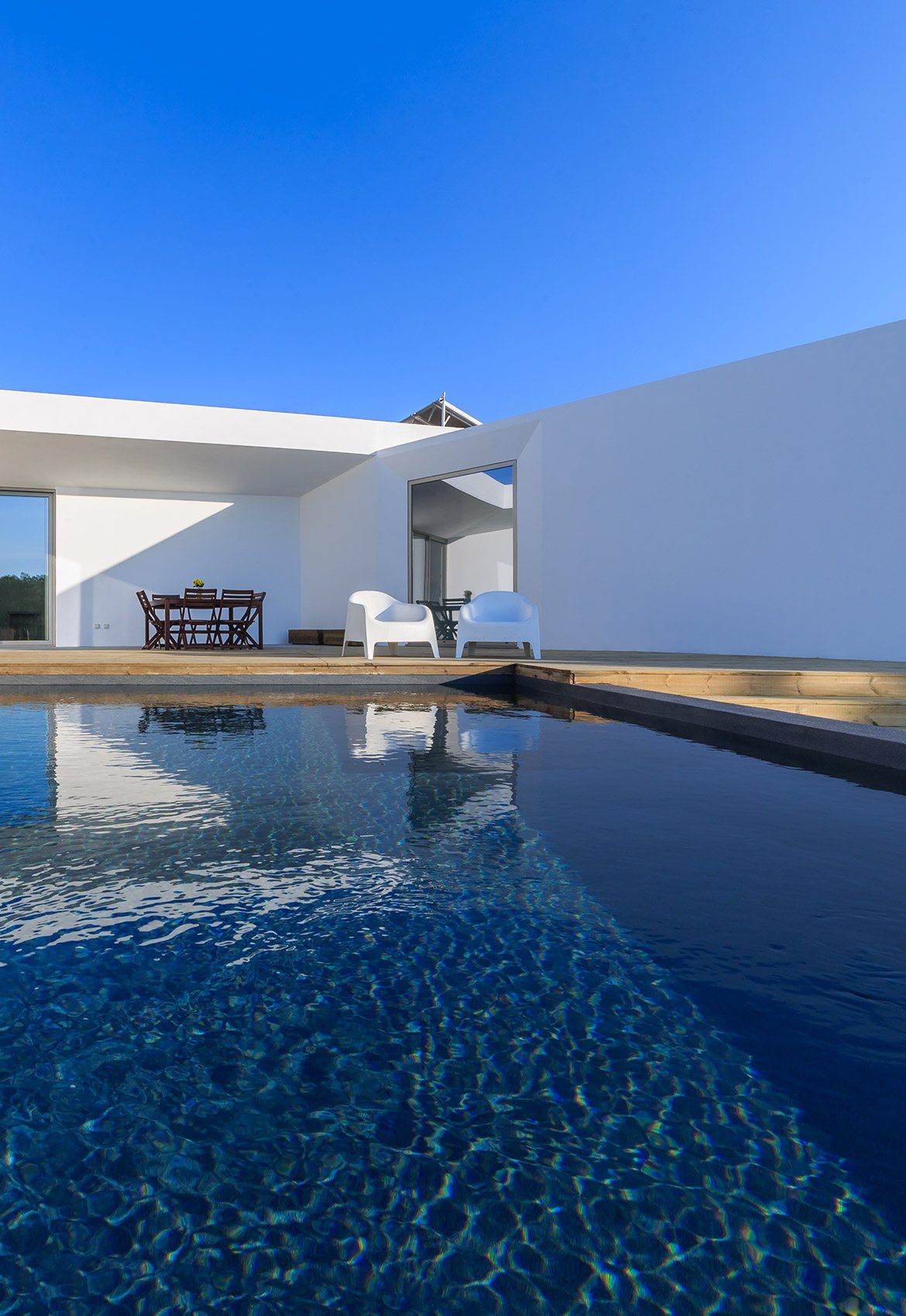
This twin-tower condo projects is one of the largest new residential building projects in the Puget Sound area, with 500...
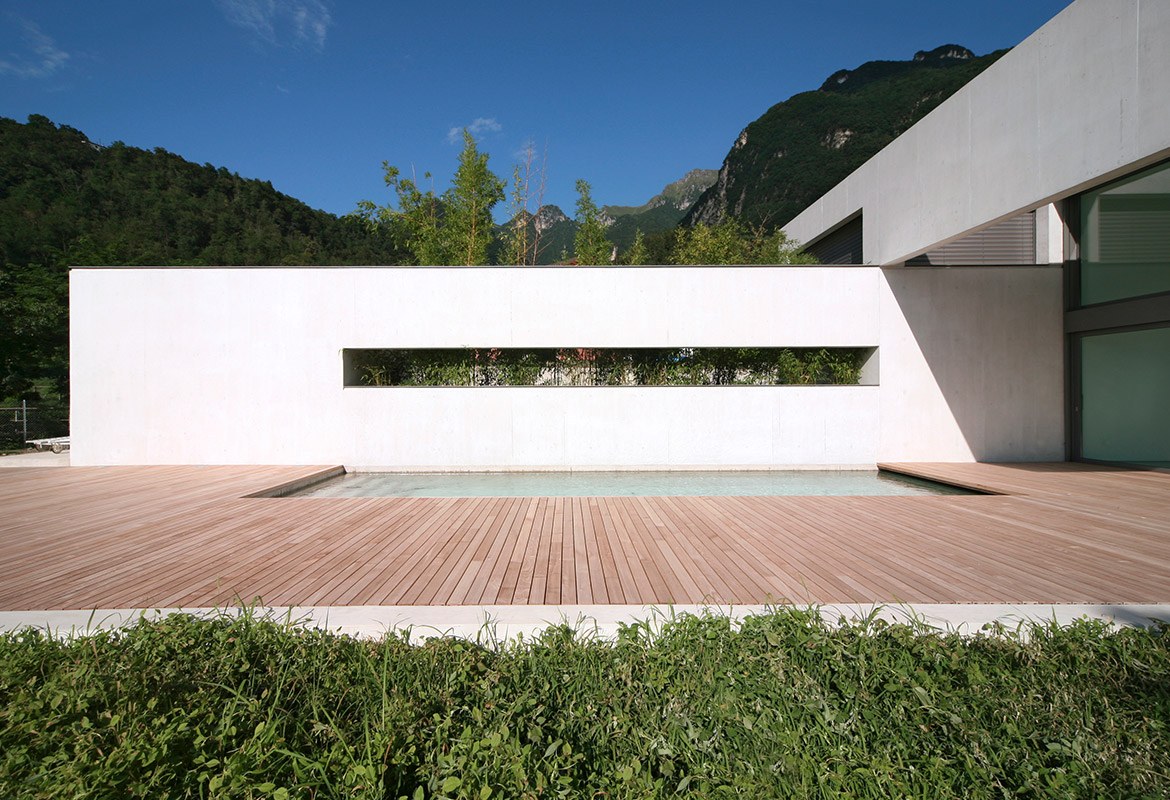
This 330-room LEED Silver hotel includes a glass-covered atrium and a ballroom on the 6th floor, and has received multiple...
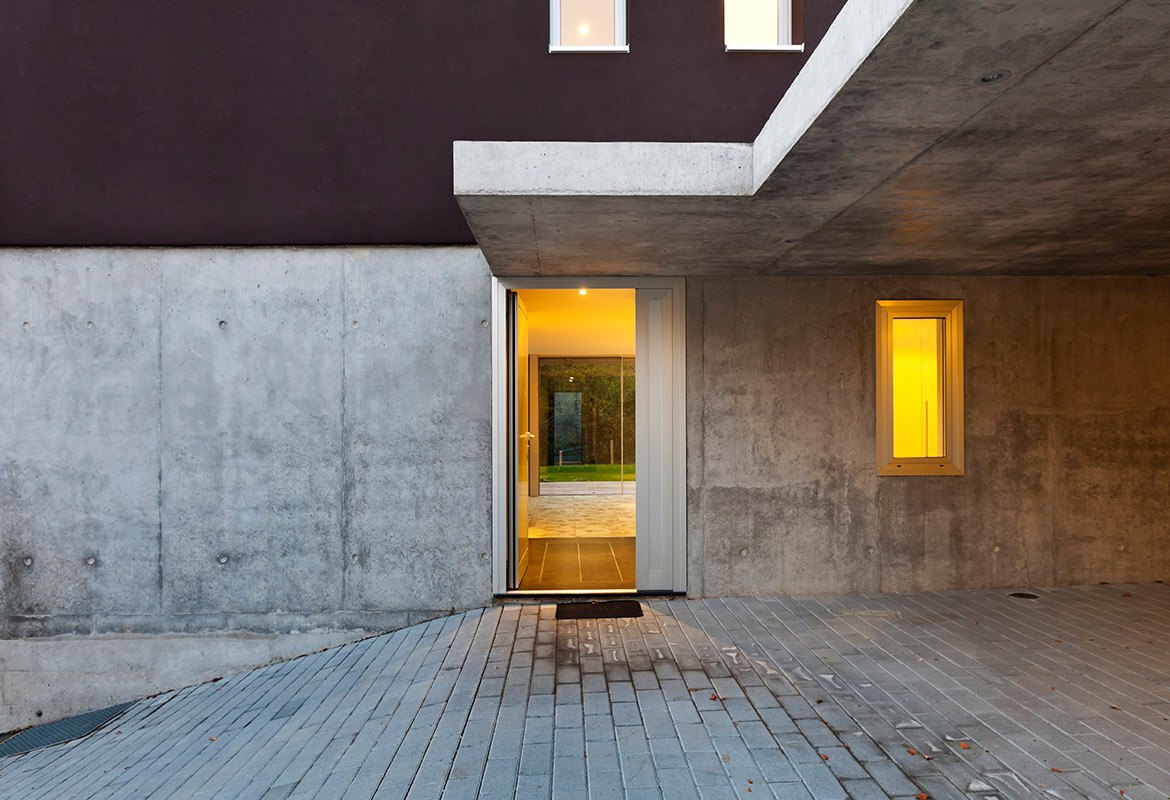
This 22-story Portland, OR tower houses a wide mix of uses, from corporate offices to retail and luxury housing. It...